Mimosa Hostilis: A Sacred Plant for Indigenous Cultures
Wiki Article
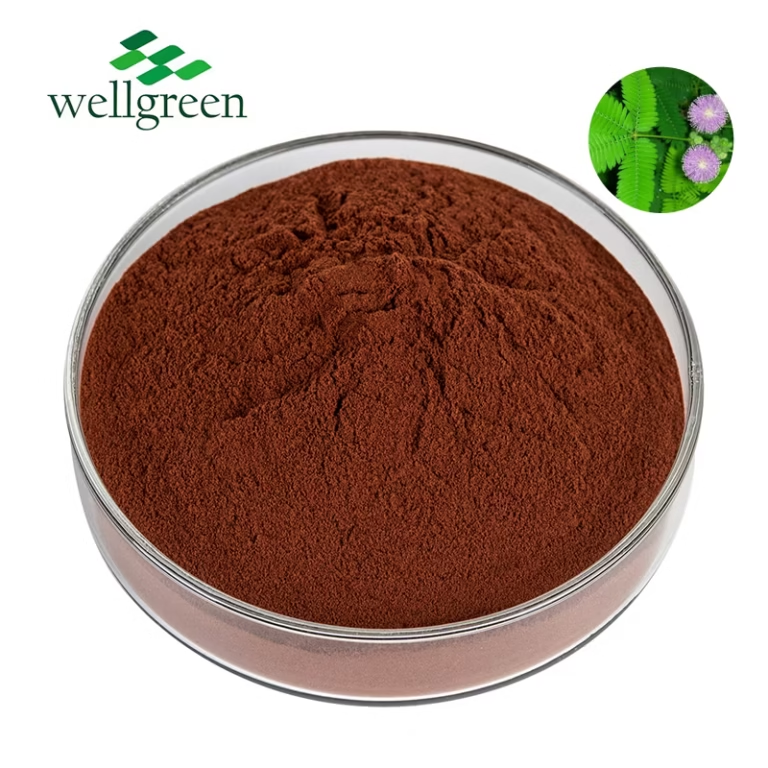
Mimosa hostilis is a sacred plant deeply ingrained in the traditions of many Indigenous cultures across South America. For centuries, it has been employed by indigenous communities for its diverse spiritual and medicinal applications. The root bark, known as ayahuasca, is particularly revered for its hallucinogenic effects, believed to induce profound experiences that facilitate transformation.
Through traditions, the plant spirit of Mimosa hostilis is invoked, guiding individuals on a path of self-discovery and reconciliation with their inner selves. The knowledge concerning this sacred plant has been passed down through generations, preserving the rich cultural heritage and wisdom of these communities.
Exploring MHRB Extract: Unlocking Mimosa Hostilis's Potential
Mimosa hostilis, a tropical plant indigenous to the Americas, has captured the attention of both spiritual seekers for centuries. This fascinating species harbors within its roots a potent compound known as MHRB, which has gained significant attention in recent times.
MHRB extract is celebrated for its benefits, often associated with altered states of consciousness. Ethnobotanical studies suggest a long history of MHRB use in healing ceremonies.
- Scientists continue to study the chemical constituents of MHRB, seeking to reveal its full range of effects.
- The nuances surrounding MHRB usage require caution. It is vital to consult with knowledgeable individuals before experimenting with any practices involving this powerful compound.
Exploring the Ethnobotanical Uses of Mimosa tenuiflora
Mimosa tenuiflori, commonly acknowledged as "the acacia", holds a significant position within the ethnobotany tradition of diverse tribes. Its versatile properties have been harnessed for centuries in traditional medicinal practices, as well as in ceremonies. The leaves of this remarkable plant possess a rich spectrum of bioactive constituents believed to exhibit medicinal effects.
From treating ailments like pain to enhancing spiritual insight, Mimosa tenuiflora has long been respected for its profound effect on human health.
The Chemistry and Pharmacology of Mimosa Hostilis Root Bark
Mimosa hostilis root bark contains a complex chemical profile, primarily known for its abundant concentrations of alkaloids. Among these, N,N-Dimethyltryptamine and harmaline are particularly relevant. These compounds possess a range of pharmacological activities, including mind-altering effects. The bark contains diverse alkaloids, such as norharmane, which may contribute to its total pharmacological profile.
The traditional uses of Mimosa hostilis root bark span a variety of healing purposes, particularly in traditional communities. However, it is crucial to recognize that scientific research on the effectiveness of these uses remains limited.
Tapping into the Power of copyright with Mimosa Hostilis
Mimosa hostilis, more info a tree native to South America, has captured the interest of researchers and individuals alike for its potent alkaloids, particularly dimethyltryptamine, or copyright. copyright is a powerful hallucinogenic substance known for producing intense altered states of consciousness. By utilizing the bark of Mimosa hostilis, one can journey into the realms of copyright-induced experiences. It is important to remember that copyright is a strong substance and should be treated with respect.
- Safe use is paramount, and researching from experienced individuals or knowledgeable sources is highly suggested.
- The experience of copyright can be both insightful but also potentially intense. It is essential to prepare both mentally and physically for the possibilities that may arise.
copyright from Mimosa hostilis offers a unique opportunity to journey within the depths of consciousness, possibly leading to personal growth and awareness.
Moral dilemmas Using Mimosa Hostilis
The utilization of Mimosa hostilis for ritualistic purposes raises a myriad of moral questions. While some argue that its sacred significance warrants respect and tolerance, others warn its use due to potential negative consequences. It's crucial to consider this complex issue with care, taking into account the cultural contexts and potential implications. A nuanced perspective is essential for navigating the ethical terrain surrounding Mimosa hostilis.
Cultivating Mimosa Hostilis: A Guide for Growers
Embarking on the adventure of cultivating Mimosa Hostilis can be a rewarding experience for the dedicated grower. This intriguing plant, indigenous to tropical regions of the Americas, has earned significant notoriety in recent years due to its unique properties. Before your cultivation quest, it is crucial to grasp the specific needs this plant demands to thrive.
- Guaranteeing adequate sunlight is paramount for healthy Mimosa Hostilis growth. These plants thrive in unfiltered sunlight, ideally receiving a minimum of eight hours per day.
- Ensuring well-drained soil is essential to prevent root rot, a common problem that can ruin your plants. A mixture of loamy soil with decomposed matter is suitable.
- Regular watering is necessary, but be mindful not to overwater your Mimosa Hostilis. Allow the top inch of soil to dry before providing another moistening.
The Shamanic Traditions Surrounding Mimosa Hostilis
Deep within the ancient forests of South America, the shrine of vision have been woven for generations. Among these enchanting allies is Mimosa Hostilis, a sacred plant revered by the shamanspiritual traditions of indigenouscommunities. It contains within its bark a wealth of knowledge, guiding healers on their journeys into the unseen.
The medicine men understand that Mimosa Hostilis is not simply a herb; it is a gateway between dimensions, connecting us to the powerful energies that weave all of creation.
Addressing Legal Challenges with Mimosa Hostilis
The legal status of mimosa hostilis can be from one location to another. It means that the permissibility of possessing, using, or raising this plant is reliant upon your particular geographic location.
Furthermore, laws and regulations pertaining to mimosa hostilis are constantly evolving. It is therefore essential that you meticulously research the current legal framework in your region.
- Seeking advice from a legal professional who specializes in cannabis laws is highly suggested.
- Keeping informed about any amendments to the law can help you prevent any potential legal problems.
Mimosa Hostilis and Spiritual Exploration: A Journey Inward seeking
The ancient wisdom whispered through the rustling leaves of Mimosa Hostilis calls to explorers on a inner quest. Venturing upon this path is to awaken hidden dimensions within, where the veil between worlds fades. It's a powerful experience that enlightens the soul, revealing truths dormant beneath the surface. As you dissolve with the essence of this sacred plant, be prepared for visions that shift your worldview.
- Embrace the unknown with an open heart and a inquiring mind.
- Let go all expectations and allow yourself to be swept away by the current.
- Remember, this is a quest of self-discovery. Trust in your own intuition.
The wisdom gained through Mimosa Hostilis echoes long after the experience has ended. It is a boon that can transform your life in profound and permanent ways.
Understanding the Risks and Benefits of Mimosa Hostilis
Mimosa hostilis is a plant native to South America, gaining increasing attention for its potential pharmacological properties. While it contains valuable compounds like copyright, responsible for its psychoactive effects, it's crucial to approach this plant with respect. Understanding both the potential downsides and the positive aspects of Mimosa hostilis is essential for safe and informed use. Potential side effects can include physical reactions, emphasizing the need for thorough research, responsible consumption, and a safe environment.
- It's important to consult with a healthcare professional before using Mimosa hostilis or any products derived from it.
- Proper dosage is crucial to minimize potential side effects.
- Be aware of the regulations surrounding Mimosa hostilis in your locality.
- Always prioritize safety and well-being when exploring the use of this plant.
 Report this wiki page